
What does digital marketing mean in simple terms?
Digital marketing is the process of using the internet and digital devices like laptops, tablets, and mobile phones to sell goods or services. In short, it means getting in touch with your audience online through things like websites, search engines, social media, emails, and mobile apps.
What Is Digital Marketing? It is not just a trend, but a necessity for businesses today.
Understanding What Is Digital Marketing is the first step to leveraging the internet effectively.
Instead of using old-fashioned methods like newspapers or billboards, digital marketing helps businesses reach people where they spend most of their time: online. It’s faster, more focused, and usually less expensive.
Here’s your content rewritten with a more personalized, engaging experience-driven tone:
For more information click here
So, what exactly is What Is Digital Marketing? Let’s dive deeper into it!
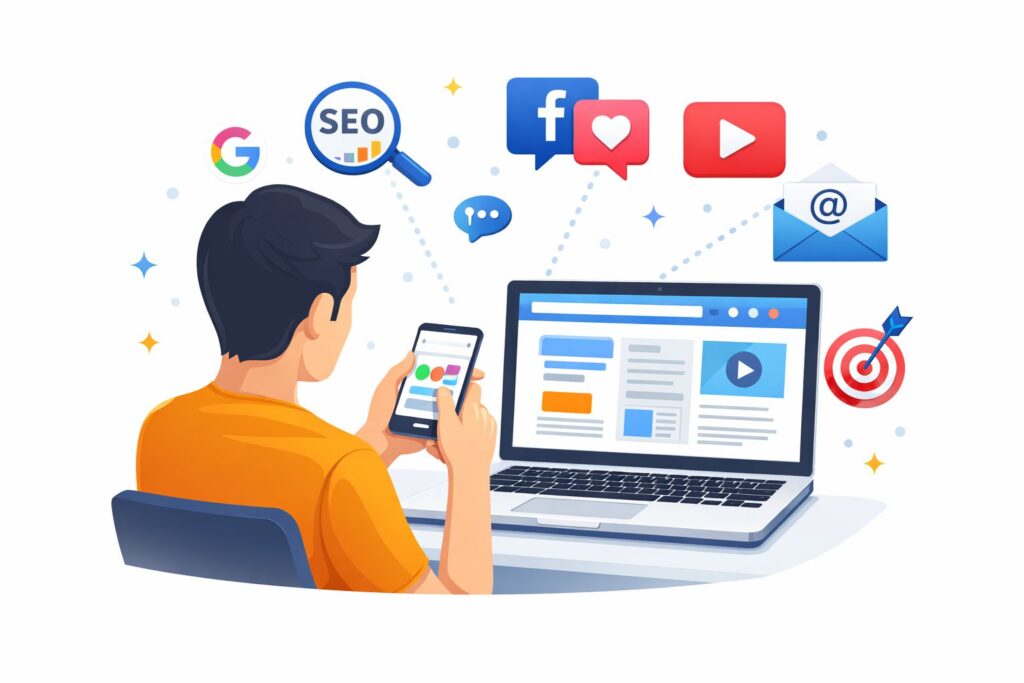
What Is Digital Marketing and why is it critical for your business success?
By learning What Is Digital Marketing, businesses can adapt to changing consumer behaviors.
Focus Keyword:What is Digital Marketing
A Deeper Understanding: Digital marketing is not just about selling; it’s about creating meaningful connections with people.
Instead of pushing products, businesses focus on understanding your needs, your preferences, and your problems. Every interaction is designed to feel relevant and helpful.
Through digital channels, businesses aim to:
- Understand what you’re looking for and how you behave online
- Deliver valuable content that answers your questions
- Help solve your problems before asking you to buy anything
- Build trust so you feel confident choosing them
Think about this: when you search for “best shoes online,” you don’t just see random results. You often come across a blog that feels like it was written just for you, or an ad showing shoes that match your style and budget.
That’s not a coincidence; that’s personalized digital marketing at work.
What Is Digital Marketing is not just about selling; it’s about connecting with customers.
It quietly analyzes your interests and tailors the experience so that what you see feels useful, relevant, and timely, almost like the brand understands you personally.
In this digital age, knowing What Is Digital Marketing gives you a competitive edge.
Importance of Digital Marketing
What Is Digital Marketing involves various strategies tailored to meet consumer needs.
To succeed, you must understand What Is Digital Marketing and its implementation.
You have to have an online presence in the digital world we live in today. It’s very important. Businesses can use digital marketing to:
- Get in touch with people all over the world
- Make people aware of your brand
- Get in touch with customers directly
- Stay ahead of the competition in the market
Why It Matters More Than Ever:
Consumer behavior has changed: People research online before making decisions
Understanding What Is Digital Marketing helps in creating targeted campaigns.
24/7 availability: Your business is always accessible online
Mobile-first world: Most users browse through smartphones
What Is Digital Marketing allows brands to engage with their audiences effectively.
Trust building: Online reviews and content influence buying decisions
Without digital marketing, businesses risk becoming invisible in a highly competitive market.
The Benefits of Digital Marketing
What Is Digital Marketing encompasses everything from SEO to social media strategies.
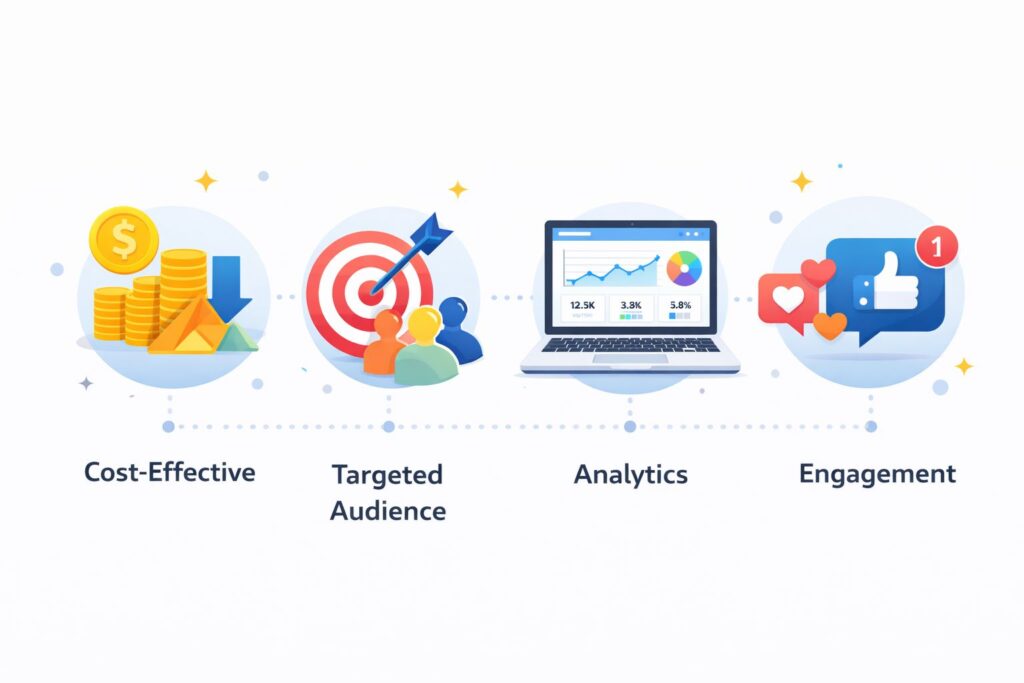
- Digital marketing offers several advantages:
- Cost-Effective: Less expensive than other ways to market
- Targeted Audience: Get in touch with certain groups based on their age, interests, or location.
- Results You Can Measure: Use analytics to keep track of performance
- More engagement: Talk to customers directly through social media and email.
- Higher Conversion Rates: It’s easier to turn visitors into customers.
In-Depth Benefits Explained:
- Precision Targeting
Digital marketing is more relevant than traditional marketing because it focuses on what you need and how you act.
- What You Search (Intent): When you search for something online, you get results and ads that are exactly what you need.
- Your Online Behavior: The content you browse helps show you products and ideas you’re actually interested in.
- Your Past Purchases: You get ideas for related or useful products based on what you’ve bought before.
Instead of random ads, you see content that seems useful, relevant, and made just for you.
2. Real-Time Optimization
Digital marketing constantly improves your experience in real time based on how you interact.
- Instant Adjustments: What you click, skip, or engage with helps brands quickly refine what they show you.
- Better Recommendations: The more you interact, the more relevant and useful the content becomes.
- Smarter Ads & Content: If something isn’t working, it gets changed instantly to match your interests.
In simple terms, the more you interact, the better and more personalized your experience becomes almost instantly.
3. Scalability
Digital marketing can grow with your needs and still feel personal.
- Easier to Reach More People: Companies can grow from a small audience to a global one without losing touch.
- Consistent Experience: No matter how many people are using it, the content still feels relevant to each one.
- Flexible Growth: You can change or add to campaigns at any time based on how well they are doing and how much demand there is.
In short, companies can get bigger, but your experience will still feel personal and important.
4. Improved Customer Experience
The goal of digital marketing is to make your experience easy, useful, and fun.
- Personalized Content: You see offers and content that are relevant to you.
- Easy to Use: You can easily find information, ask questions, or buy something at any time.
- Quick Support: Businesses can respond more quickly through chat, email, or social media.
In short, everything seems to be easier, faster, and more suited to you.
5. Multi-Channel Reach
Digital marketing can reach you on many platforms, no matter where you are.
- Multiple Touchpoints: You might see the same brand on social media, search engines, emails, or websites.
- Consistent Experience: The message feels familiar and relevant no matter where you see it.
- Better Accessibility: You can engage with brands anytime, on any device or platform.
In simple terms, brands stay connected with you everywhere, giving a seamless and consistent experience.
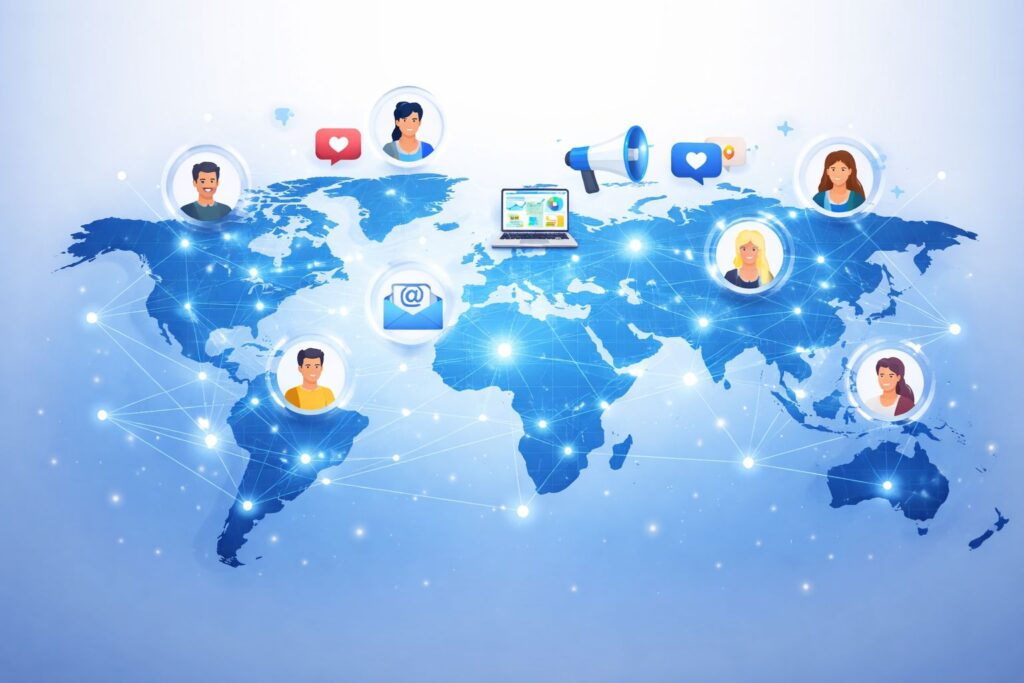
How Does Digital Marketing Work?
Digital marketing works by using different online channels to attract, engage, and convert customers. Here’s a simple process:
- Attract: This is where your journey begins.
When you search for something, scroll through social media, or watch videos, businesses try to appear in those moments with content that matches what you’re looking for.
- You might find a helpful blog, video, or ad
- It answers your question or sparks your interest
- It seems important, not random.
From your point of view, it seems like you found something useful at the right time.
- Engage: The next step is to keep your interest once you see a brand.
Companies do this by:
What Is Digital Marketing at its core is about creating a seamless customer experience.
- Sharing useful and easy-to-understand information
- Giving you answers to your problems
- Making things easy to use and run smoothly
For businesses, understanding What Is Digital Marketing can lead to higher conversions.
They might also talk to you through messages, emails, or comments.
From your perspective, you start trusting the brand because it helps you without pushing you to buy immediately.
- Convert: The brand gently pushes you to take the next step after you trust them.
This might be:
- Purchasing something
- Joining a service
- Getting something useful to download
You can easily make a choice because of clear messaging, good design, and easy steps.
From your point of view, it seems like a natural choice, not a forced sale.
- Retain: After building trust, the brand gently encourages you to take the next step.
This could be:
- Buying a product
- Signing up for a service
- Downloading something useful
Clear messaging, good design, and simple steps make it easy for you to decide.
From your perspective, it feels like a natural decision, not a forced sale.
Expanded Funnel Concept:
1. Awareness Stage
Users discover your brand through:
- Google search results
- Social media posts
- Paid advertisements
2. Consideration Stage
They evaluate your product by:
- Reading reviews
- Watching videos
- Comparing options
3. Decision Stage
They take action:
- Purchase
- Subscribe
- Contact
4. Loyalty Stage
You build long-term relationships through:
- Email follow-ups
- Discounts
- Customer support
What Is Digital Marketing is the key to staying relevant in today’s market.
Which Type of Digital Marketing is Best?
There is no single “best” type—it depends on your goals. However, some popular types include:
- Search Engine Optimization (SEO): Helps your website rank higher on Google
- Social media marketing: shares content on sites like Facebook and Instagram.
- Content Marketing: Makes useful blogs, videos, or guides
- Email marketing sends messages to specific customers.
- Pay-Per-Click (PPC): Ads that you pay for that bring in traffic quickly
A mix of these methods is often the best way to go.
Choosing the Right Type:
- For long-term growth: SEO + Content Marketing
- For quick results: PPC Ads
- For brand awareness: Social Media
- For customer retention: Email Marketing
A balanced mix ensures consistent growth and better ROI.
Future of Digital Marketing
Digital marketing has a bright future ahead of it. As technology improves, companies will depend more on:
- AI, or artificial intelligence
- Improving voice search
- Marketing that is tailored to you
- Short videos and other types of content
- Tools for automation
Deeper Insights into the Future:
1. AI and Automation
AI will handle:
- Customer support (chatbots)
- Data analysis
- Campaign optimization
2. Voice & Visual Search
Users are increasingly using voice commands and image-based searches.
3. Content Evolution
Short-form videos and interactive content will dominate.
4. Privacy & Data Protection
Marketers will need to adapt to stricter data privacy regulations.
5. Hyper-Personalization—Content will be tailored to individual user preferences.
Frequently Asked Questions (FAQs)
1. How do you know if your digital marketing is working?
We use the following metrics to measure success:
- Traffic to the website
- Rates of conversion
- The rate of clicks (CTR)
- How engaged people are
- Return on Investment (ROI)
Analytics dashboards and other tools can help you keep track of and improve your performance.
2. What kind of digital marketing is the most popular?
Because they:
- Reach large audiences
- Build engagement
- Deliver long-term results
3. Can I start digital marketing with no experience?
Yes, you can!
Steps to Start:
- Learn basic concepts online
- Practice on personal projects
- Take online courses
- Build a portfolio
4. Is digital marketing better than traditional marketing?
Digital marketing is often considered better because it is
- More cost-effective
- Easier to measure
- More targeted
However, combining both digital and traditional marketing can give the best overall results depending on your business goals.
Conclusion
Digital marketing is a very useful and important tool in today’s online world. It helps businesses grow, reach their customers, and stay ahead of the competition. Learning about digital marketing can help you find many new opportunities, whether you’re just starting out or want to grow your business.
Digital marketing is the best way to promote and grow any business online, plain and simple.
Even beginners can do well in digital marketing if they have the right plan, tools, and consistency. In summary, What Is Digital Marketing is essential for future business growth. What Is Digital Marketing will continue evolving with new technologies and trends. To wrap up, understanding What Is Digital Marketing opens many doors for you.